In the age of digital marketplaces and social media, the ability to capture stunning, high-quality images of jewelry from the comfort of your home has become an invaluable skill. Whether you are a small business owner, an online seller, or simply looking to document a cherished piece, achieving that coveted "lab-grade" or appraisal-level clarity with just your smartphone might seem like a daunting task reserved for professionals with expensive equipment. However, with a thoughtful approach to your environment, a mastery of your phone's capabilities, and an attention to the subtle art of presentation, it is an entirely attainable goal. This guide will walk you through the foundational principles and advanced techniques to transform your mobile photography and produce images that are not only beautiful but also rich in detail and accuracy, doing justice to the craftsmanship and sparkle of your precious items.
The journey to a perfect jewelry photograph begins long before you even open your camera app. It starts with crafting the right environment. The single most important element in photography is light, and for jewelry, its management is paramount. The goal is to achieve bright, even, and soft illumination that minimizes harsh shadows and unwanted reflections while maximizing the stone's brilliance and the metal's luster. Direct, harsh light from a lamp or the sun will create sharp, distracting shadows and can cause "blowout," where parts of the image are so bright that all detail is lost. Instead, you must become a master of diffused light. This can be achieved by creating a simple light tent or softbox. A white cardboard box with the top and one side cut out, lined with white poster board, and illuminated from the outside with two simple lamps can work wonders. The white interior acts as a natural diffuser, scattering the light evenly across your subject. Alternatively, shooting on a overcast day near a large north-facing window (in the Northern Hemisphere) provides a fantastic source of naturally soft, directional light.
Understanding and controlling your background is the next critical step. The purpose of the background is to complement the jewelry, not compete with it. A cluttered or brightly colored backdrop will steal attention from the intricate details of your piece. Opt for neutral, non-reflective surfaces. A simple sheet of white or black matte poster board is an excellent starting point. For a more professional, seamless look, curve the poster board so there is no hard line between the horizontal surface and the vertical back. This creates an "infinity curve" that gives a clean, studio-quality appearance. The color choice depends on the jewelry itself; a white background often works best for silver and white gold, making them appear bright and clean, while a black or dark gray background can add drama and depth, making diamonds and gold pop with contrast.
Stability is the unsung hero of clarity. The slightest movement during exposure will result in a blurry image, utterly destroying any chance of capturing fine details like the facets of a diamond or the texture of a milgrain edge. While modern smartphone cameras have impressive image stabilization, nothing replaces absolute stillness. This is non-negotiable for appraisal-level shots. Invest in a sturdy, small tripod designed for smartphones. This allows you to frame your shot perfectly and keep the camera completely motionless. If a tripod is unavailable, prop your phone against a stable stack of books or a cup. The next step is to eliminate another source of movement: your own finger. Use your phone's timer function or a Bluetooth shutter remote to take the picture without physically touching the device. This combination of a stable platform and a hands-free trigger is a game-changer for achieving razor-sharp focus.
With your environment perfected, it is time to turn your attention to the powerful computer in your pocket: your smartphone. Do not simply point and shoot. Dive into your camera's settings. The first and most crucial setting to disable is the flash. The built-in flash is a tiny, harsh light source that will create glaring hotspots and deep, unflattering shadows, washing out color and detail. Rely solely on your carefully arranged external light sources. Next, if your phone has a "Pro" or "Manual" mode, now is the time to use it. The key settings to understand are ISO, Shutter Speed, and White Balance. Keep your ISO as low as possible (often 100 or 200) to minimize digital grain or "noise." A low ISO requires more light, which is why your diffused lighting setup is so important. Choose a slower shutter speed to allow more light to hit the sensor; since your phone is on a tripod, camera shake is not an issue. Finally, manually set the White Balance. Auto White Balance can be fooled by your light sources and the colors of the jewelry and background, leading to inaccurate color representation. Manually adjust it until the whites in your image look truly white, ensuring the colors of gold, gemstones, and pearls are captured with faithful accuracy.
Focus is where the detail is born. Your phone's autofocus is good, but for tiny subjects like the culet of a diamond or the clasp of a necklace, it needs your guidance. Once your shot is framed, tap on the screen exactly where you want the sharpest point of focus to be—typically the center stone or the most detailed part of the piece. Your phone will often show a small sun icon next to the focus box; this is the exposure slider. Slide it up or down to fine-tune the brightness of the image before you take the shot, ensuring you have a well-lit photo without overexposure. For extreme close-ups, remember that every smartphone camera has a minimum focusing distance. If you move too close, the lens simply cannot focus. If you find yourself hitting this limit, take the photo from the closest possible *in-focus* distance and then crop the image later. With a high-resolution modern smartphone sensor, you can crop significantly and still retain stunning detail.
The final act of photography happens after the shutter clicks: post-processing. This is not about altering the reality of the piece but about refining the image to match what the human eye sees. Use photo editing apps to make subtle adjustments. Slightly increase the sharpness and clarity sliders to enhance fine details. Adjust the contrast to make the jewelry stand out from the background. Fine-tune the highlights and shadows to recover detail that might be lost in the brightest or darkest areas. Be meticulous with color balance to ensure the metals and gems look true to life. The goal is a natural, polished result. Avoid heavy filters or dramatic effects that distort the authentic appearance of the jewelry, as this defeats the purpose of an appraisal-quality image meant for accurate representation.
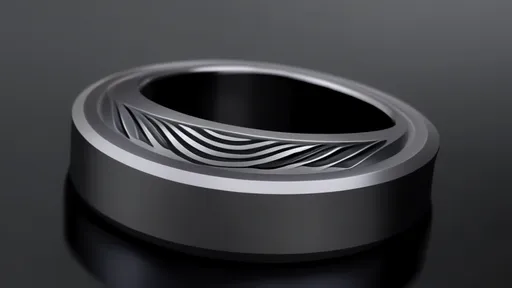
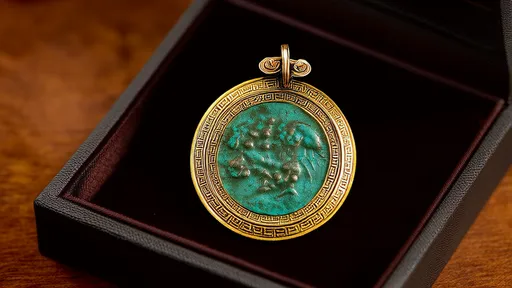
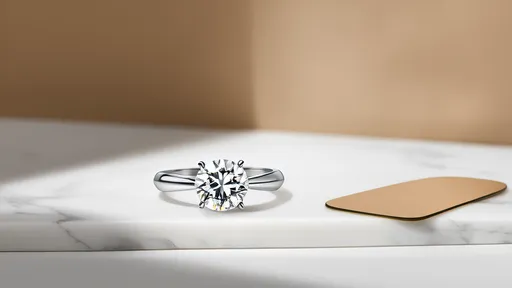
Photographing different types of jewelry presents unique challenges that require slight adjustments to your technique. For sparkling pieces like diamond rings, your angle of light is critical. A light source placed slightly to the side and front of the piece will rake across the facets, creating that desirable fiery sparkle. Experiment with moving your light sources millimeter by millimeter and observe how the play of light changes on the stone. For lustrous pearls and opaque gemstones like opals or turquoise, even, front-facing light is often best to showcase their smooth glow and unique color patterns without creating dark spots. When photographing highly reflective metals like polished silver or platinum, be hyper-aware of your surroundings. You will see everything reflected in the metal, from your phone to your own silhouette. This is where a light tent is most crucial, as it creates a clean, white environment that reflects attractively in the metal, rather than a cluttered room.
Mastering the art of jewelry photography with a smartphone is a process of patience and practice. It is about learning to see light and shadow, understanding the tools at your disposal, and developing a meticulous workflow. By controlling your environment with diffused light and simple backdrops, ensuring absolute stability with a tripod, harnessing the manual power of your phone's camera, and applying thoughtful, subtle edits, you will consistently produce images of breathtaking clarity and detail. These are not just pictures; they are accurate, compelling representations that capture the essence, value, and beauty of your jewelry, worthy of any appraisal folder or high-end online listing.

By /Aug 27, 2025
By /Aug 27, 2025

By /Aug 27, 2025

By /Aug 27, 2025

By /Aug 27, 2025
By /Aug 27, 2025
By /Aug 27, 2025
By /Aug 27, 2025

By /Aug 27, 2025
By /Aug 27, 2025

By /Aug 27, 2025

By /Aug 27, 2025
By /Aug 27, 2025

By /Aug 27, 2025
By /Aug 27, 2025

By /Aug 27, 2025
By /Aug 27, 2025

By /Aug 27, 2025

By /Aug 27, 2025
By /Aug 27, 2025
