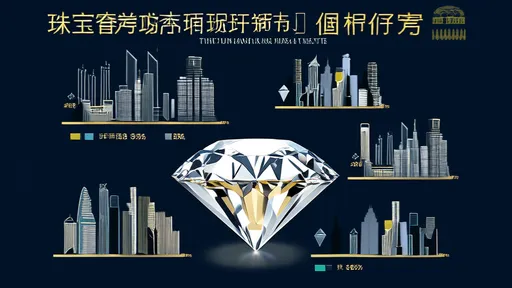
In the glittering world of luxury goods, diamonds have long held a special place, symbolizing not just affluence but also enduring love and milestone celebrations. The recently released Annual Jewelry Consumption Report provides a fascinating deep dive into consumer behaviors, revealing intriguing patterns about which urban centers are driving diamond demand. While many might assume global fashion capitals like Paris or financial hubs like New York would lead, the data tells a more nuanced and surprising story.
According to the comprehensive analysis, the city that stands out most prominently in diamond purchases is Shanghai. This metropolis has consistently shown a robust appetite for high-quality diamonds, with consumption rates that eclipse those of other major cities both in China and internationally. The report highlights that Shanghai's residents are not just buying more diamonds in terms of volume but are also opting for higher carat weights and superior cuts, indicating a mature and discerning market.
Several factors contribute to Shanghai's dominance in diamond consumption. The city's economic boom over the past decades has created a substantial affluent class with disposable income to invest in luxury items. Moreover, Shanghai has a deeply ingrained culture of gifting diamonds for engagements, weddings, and anniversaries, which perpetuates consistent demand. Local jewelers and international brands have also tailored their marketing strategies to resonate with Shanghai's consumers, emphasizing the emotional and status value of diamond ownership.
Another key driver is the city's role as a fashion and cultural hub. With numerous high-profile events, fashion weeks, and a populace that highly values aesthetics and trends, diamonds are often seen as essential accessories. Social media influence cannot be understated either; platforms like Weibo and Xiaohongshu are flooded with influencers showcasing diamond jewelry, further fueling desire and normalizing luxury purchases among younger demographics.
Interestingly, the report also notes that while cities like Mumbai and Antwerp are crucial in the diamond trade as cutting and trading centers, their local consumption does not match Shanghai's. This distinction underscores that high consumption is less about proximity to sources and more about economic vitality, cultural practices, and effective retail ecosystems. In Shanghai, the presence of numerous flagship stores from brands like Tiffany & Co., Cartier, and local luxury retailers ensures accessibility and variety, making it easier for consumers to act on their purchasing intentions.
Beyond Shanghai, other cities like Beijing, New York, and Tokyo also show significant diamond buying, but they trail behind for various reasons. In Beijing, for instance, while there is substantial wealth, consumer preferences might lean more toward jade and gold, which hold traditional value. In New York, though there is a strong market, the diversity of luxury spending is broader, including high-end electronics, art, and experiences, which might dilute focus on diamonds alone.
The report also delves into demographic insights, revealing that in Shanghai, the primary diamond buyers are professionals aged 28-45, with a nearly equal split between men and women. This contrasts with some Western cities where purchase patterns might be more skewed toward men buying for women. In Shanghai, self-purchase by women is a growing trend, reflecting broader movements of financial independence and self-expression.
Seasonal spikes in diamond sales in Shanghai align with cultural festivals and holidays, such as Chinese New Year and Valentine's Day, but also with modern creations like Singles' Day, which has been leveraged by retailers to promote luxury goods. This ability to blend traditional and contemporary motivators has kept the market dynamic and growing.
Looking forward, the report suggests that Shanghai's reign as the top diamond-consuming city is likely to continue, supported by ongoing economic growth, urbanization, and the aspirational goals of its residents. However, it also warns of potential challenges, such as market saturation and the rising popularity of lab-grown diamonds, which might appeal to eco-conscious consumers.
In conclusion, the Annual Jewelry Consumption Report not only answers the question of which city loves buying diamonds the most but also provides a rich narrative about why Shanghai leads the pack. It is a story of economic power, cultural nuances, and strategic market engagement that offers valuable insights for jewelers, investors, and observers of global consumer trends.

By /Aug 27, 2025

By /Aug 27, 2025

By /Aug 27, 2025

By /Aug 27, 2025

By /Aug 27, 2025
By /Aug 27, 2025
By /Aug 27, 2025
By /Aug 27, 2025

By /Aug 27, 2025
By /Aug 27, 2025

By /Aug 27, 2025

By /Aug 27, 2025
By /Aug 27, 2025

By /Aug 27, 2025
By /Aug 27, 2025
By /Aug 27, 2025
By /Aug 27, 2025

By /Aug 27, 2025
By /Aug 27, 2025

By /Aug 27, 2025
