In the glittering world of high-end jewelry, a quiet revolution is taking place behind the polished storefronts and exquisite displays. As consumers increasingly demand transparency and ethical practices, luxury jewelry brands are publishing detailed sustainability reports that reveal substantive efforts to minimize their environmental impact. These documents, often exceeding a hundred pages, move beyond mere marketing to demonstrate measurable progress in reducing the industry’s considerable footprint.
The journey of a piece of jewelry—from raw material extraction to the finished product in a velvet box—is notoriously resource-intensive. Traditional mining for gold, diamonds, and precious gemstones has been linked to deforestation, water pollution, and significant carbon emissions. In response, leading houses are fundamentally rethinking their supply chains. A pivotal shift has been the large-scale adoption of recycled precious metals. Brands are now meticulously tracking the origin of their gold and platinum, ensuring that a substantial percentage is sourced from post-consumer recycling, industrial byproducts, or even old electronic components. This practice drastically reduces the need for newly mined metal, curtailing the associated land disruption, water usage, and energy consumption of extraction processes.
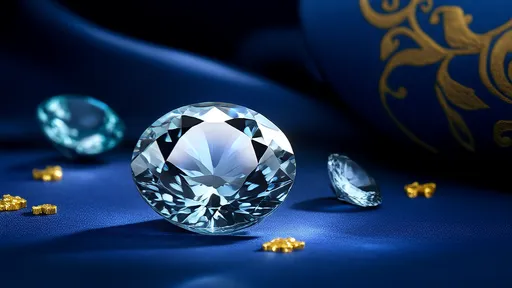
Similarly, the sourcing of gemstones is undergoing a profound transformation. The diamond industry, in particular, has been propelled toward change by growing consumer awareness around conflict diamonds. The focus has now expanded to encompass the entire environmental cost of mining. In response, many brands are committing to traceable, responsibly mined stones whose journey from earth to market is fully documented. Furthermore, the market for lab-grown diamonds and gemstones is exploding. These stones, chemically identical to their mined counterparts, require significantly less energy and water to produce and completely eliminate the landscape-altering effects of mining. While the energy source for creating these stones remains a point of discussion, many producers are now powering their operations with renewable energy, further shrinking the carbon footprint.
Beyond materials, the manufacturing process itself is a key area of innovation. Jewelry ateliers, often romanticized for their old-world craftsmanship, are embracing modern, efficient technologies. Laser welding and CAD/CAM (computer-aided design and manufacturing) technology allow for extreme precision, minimizing metal waste from filing and reshaping. Water recycling systems have been installed in polishing and setting workshops, significantly reducing freshwater consumption. Some brands have even begun investing in on-site solar panels or purchasing renewable energy credits to power their manufacturing facilities, directly addressing the carbon emissions from their production activities.
Packaging, long synonymous with luxury and excess, is being reimagined through an ecological lens. The heavy, layered boxes wrapped in plastic are gradually being phased out. In their place, brands are introducing elegant packaging crafted from FSC-certified paper, recycled cardboard, and even innovative materials derived from mushrooms or ocean-bound plastic. The aim is to maintain the unboxing experience of luxury while ensuring every element is recyclable, biodegradable, or reusable. This comprehensive approach to packaging design prevents tons of waste from entering landfills annually.
The corporate footprint extends beyond the workshop to global logistics and retail operations. Brands are optimizing their shipping routes to reduce fuel consumption, choosing sea freight over air freight whenever possible, and utilizing carbon-neutral delivery services. At the retail level, energy-efficient LED lighting is now standard in stores, and green building certifications like LEED are becoming a priority for new boutiques. These efforts, while seemingly small individually, aggregate into a significant reduction in the company's overall operational emissions.
Perhaps the most forward-thinking initiatives involve a complete redefinition of value and longevity. The most sustainable piece of jewelry, after all, is one that is cherished for a lifetime and beyond. To this end, brands are strengthening repair and restoration services, encouraging customers to repair heirloom pieces rather than discard them. Many are also launching robust resale programs, facilitating the circular economy within their own clientele. By designing timeless pieces and providing services that extend product life, these companies are actively combatting the throwaway culture and its environmental consequences.
In conclusion, the sustainability reports from top jewelry brands reveal a multifaceted and deeply integrated approach to environmental stewardship. It is no longer about a single initiative or a token collection. The movement is characterized by a holistic strategy that attacks the problem from every angle: sourcing ethical materials, innovating in manufacturing, reengineering packaging, optimizing operations, and promoting circularity. For the conscious consumer, these reports offer a window into a industry that is not just adorning its customers, but also working diligently to preserve the world.

By /Aug 27, 2025

By /Aug 27, 2025

By /Aug 27, 2025

By /Aug 27, 2025

By /Aug 27, 2025
By /Aug 27, 2025

By /Aug 27, 2025
By /Aug 27, 2025
By /Aug 27, 2025

By /Aug 27, 2025

By /Aug 27, 2025

By /Aug 27, 2025

By /Aug 27, 2025

By /Aug 27, 2025

By /Aug 27, 2025
By /Aug 27, 2025
By /Aug 27, 2025

By /Aug 27, 2025
By /Aug 27, 2025

By /Aug 27, 2025
