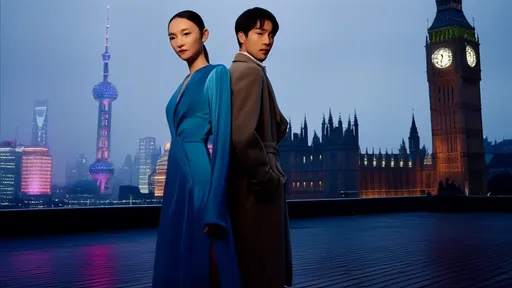
In the ever-evolving world of fashion, color serves as both a cultural signifier and a powerful tool for self-expression. Two iconic urban hues—Shanghai Blue and London Fog—have recently emerged as competing chromatic languages in global style narratives. These colors transcend mere aesthetic preferences; they embody distinct philosophies of urban life, historical legacies, and contemporary aspirations. The clash (and occasional fusion) of these tones reveals deeper currents about East-West fashion diplomacy in the post-pandemic era.
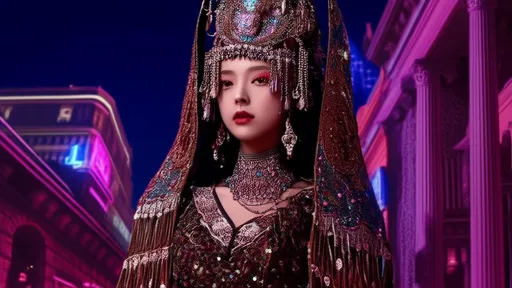
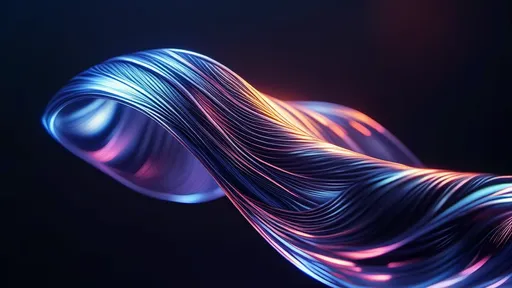
Shanghai Blue isn’t merely a color—it’s a atmospheric phenomenon. This particular shade captures the electric glow of neon signs reflecting off the Huangpu River at twilight, the muted indigo of traditional shikumen brickwork, and the synthetic vibrancy of digital billboards in Lujiazui. Unlike the Mediterranean blues favored by European brands, Shanghai Blue possesses a metallic undertone, as if the color itself has absorbed the city’s relentless momentum. Local designers have weaponized this hue, deploying it in qipao-inspired streetwear and tech-infused outerwear that dominates fashion weeks from Labelhood to Xiaohongshu runways.
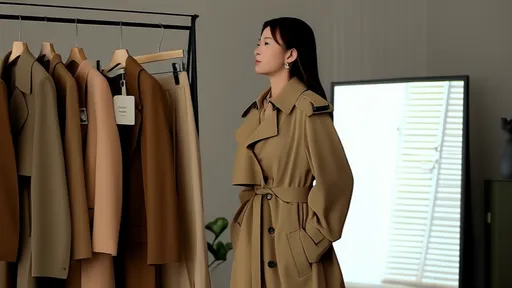
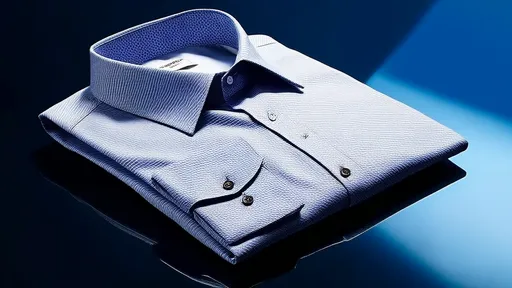
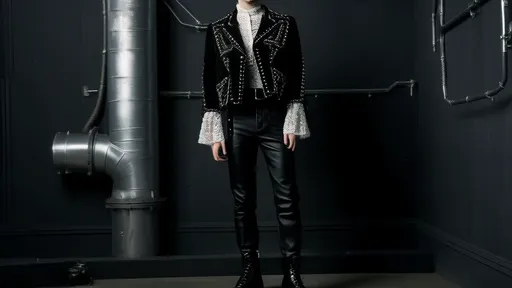
Meanwhile, London Fog persists as fashion’s ultimate neutral—a chameleonic greige that conceals as much as it reveals. Born from the Industrial Revolution’s smoky skies and refined through Savile Row’s woolens, this color functions as sartorial shorthand for understatement. Yet recent iterations have taken on new dimensionality: the fog now carries pinkish particulates at sunrise over Peckham, or greenish reflections from the Thames during algal blooms. Young British designers are subverting the color’s conservative roots by pairing fog-toned tailoring with disruptive textures—think Charles Jeffrey Loverboy’s oxidized velvet suits or Simone Rocha’s pearl-encrusted trench coats.
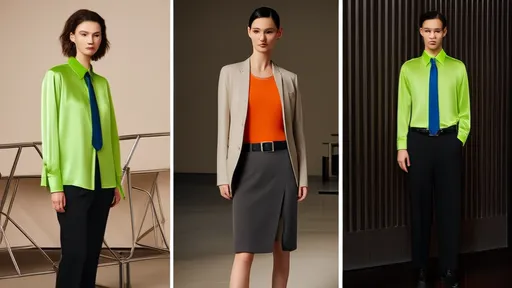
The current showdown between these colors reflects tectonic shifts in fashion’s geopolitical landscape. Where Parisian beige and Milanese black once dominated luxury discourse, the 2020s have seen Shanghai’s chromatic confidence challenge Western color hegemony. Chinese consumers—particularly the “post-90s” generation—increasingly reject muted palettes in favor of what trend forecasters call “sensory maximalism.” This explains Shanghai Blue’s migration from regional favorite to global phenomenon, appearing in unexpected contexts like Bottega Veneta’s resort collections or Marine Serre’s apocalyptic knits.
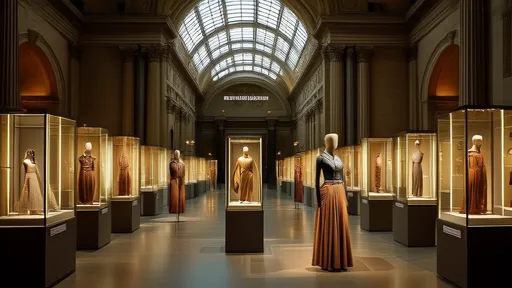
London’s fashion establishment has responded with surprising adaptability. Rather than dismissing Shanghai’s chromatic assertiveness, influential platforms like 1 Granary and SHOWstudio have curated exhibitions exploring “the politics of urban palettes.” The Victoria and Albert Museum’s recent Chromatopia exhibition devoted an entire section to how London Fog absorbs and refracts global influences—including Eastern blues. This cultural exchange manifests commercially too; note how Shanghai-based Pronounce incorporates fog tones into its signature padded shoulders, while London’s Ahluwalia contrasts cobalt denim with ashy mohair.
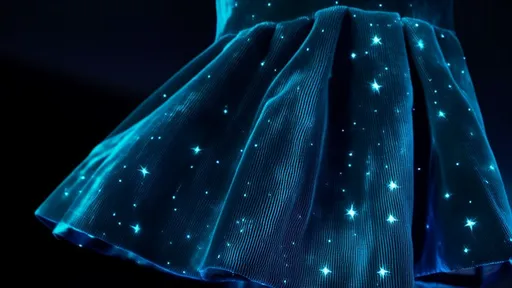
Material innovation has intensified this color rivalry. Shanghai’s textile labs have developed “luminescent blue”—a photo-reactive fabric that intensifies under artificial light, perfect for the city’s nocturnal lifestyle. Conversely, British mills created “living fog” wool that changes opacity based on humidity, offering both practicality and poetic resonance in unpredictable weather. These technological advancements transform color from superficial decoration into interactive experience, further polarizing—and occasionally merging—the two aesthetic approaches.
Social media algorithms have amplified the dichotomy. On Douyin, Shanghai Blue dominates #OOTD posts with its high-contrast appeal against concrete jungles. Instagram’s fashion influencers, meanwhile, continue fetishizing London Fog’s “quiet luxury” aesthetic—though increasingly with self-aware captions about its colonial baggage. The colors have become tribal identifiers: blue for digital natives embracing China’s tech-driven futurism, fog for those romanticizing European heritage (or performing its deconstruction).
Yet the most compelling developments occur at the intersection. Observe how Shanghai’s Ximon Lee layers translucent blue PVC over fog-colored knits, or London-based Susan Fang suspends cobalt glass beads within airy grey chiffon. These hybrid creations suggest colors needn’t compete—they can converse. As sustainability concerns grow, both palettes are being reimagined through eco-conscious lenses: plant-dipped indigos versus mushroom-derived greys, signaling fashion’s next chromatic frontier.
The ultimate victor in this color clash may be neither hue, but rather the creative tension between them. Just as Shanghai’s skyline absorbs then refracts Western architectural influences, and London’s fashion scene metabolizes global youth trends, these colors evolve through cross-pollination. What begins as cultural assertion—whether China’s chromatic confidence or Britain’s nuanced neutrality—becomes richer through exchange. The runway, like the city street, thrives on such vibrant contradictions.
By /Aug 13, 2025
By /Aug 13, 2025
By /Aug 13, 2025

By /Aug 13, 2025
By /Aug 13, 2025

By /Aug 13, 2025

By /Aug 13, 2025
By /Aug 13, 2025
By /Aug 13, 2025

By /Aug 13, 2025

By /Aug 13, 2025

By /Aug 13, 2025
By /Aug 13, 2025

By /Aug 13, 2025
By /Aug 13, 2025
By /Aug 13, 2025
By /Aug 13, 2025

By /Aug 13, 2025

By /Aug 13, 2025
By /Aug 13, 2025
