The fashion cycle has always been a pendulum swinging between extremes, but few could have predicted the sudden resurgence of maximalism among Gen Z. Just as the world seemed to settle into the quiet luxury trend—think Loro Piana cashmere and understated Bottega Veneta—a riot of color, texture, and unabashed excess is staging a dramatic comeback. This isn’t your grandmother’s maximalism, though. The new wave is sharper, more self-aware, and deeply intertwined with digital culture.
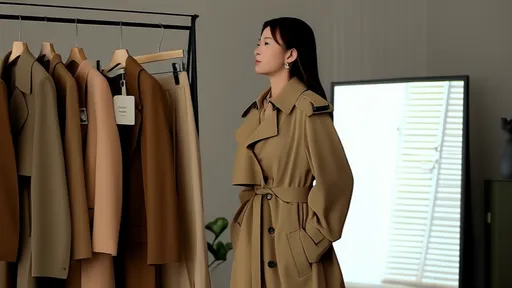
For years, minimalism reigned supreme. The rise of Scandinavian aesthetics, capsule wardrobes, and the "less is more" mantra dominated social media feeds. Brands like The Row and Cos became synonymous with sophistication, while influencers preached the gospel of decluttering. But somewhere between the pandemic and the rise of TikTok, something shifted. A generation raised on internet overload began craving something louder, bolder, and unapologetically extra.
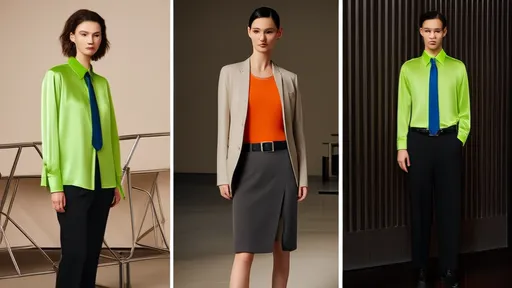
The revenge of maximalism isn’t just about fashion—it’s a cultural rebellion. Gen Z, having grown up in a world of economic instability and climate anxiety, is rejecting the austerity of their predecessors. Why whisper when you can scream? Why blend in when you can stand out? The appetite for chaos dressing, clashing prints, and vintage-inspired layering speaks to a deeper desire to reclaim joy in uncertain times. This isn’t frivolity; it’s armor.
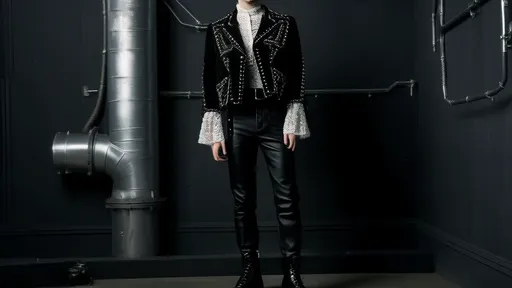
Social media has turbocharged the trend. Platforms like Instagram and TikTok thrive on visual overload, rewarding users who push boundaries. A plain white sweater might get a polite double-tap, but a head-to-toe patchwork ensemble with mismatched gloves and neon accessories? That’s viral gold. Designers have taken note. Gucci’s recent collections under Sabato De Sarno have dialed up the eclecticism, while emerging labels like Collina Strada and Harris Reed are built on maximalist foundations. Even traditionally restrained houses like Jil Sander are experimenting with unexpected proportions and bold hues.
The irony, of course, is that maximalism’s revival comes at a time when quiet luxury still dominates boardrooms and red carpets. The coexistence of these opposing forces highlights a generational divide. Millennials, burdened by student debt and obsessed with appearing "put together," gravitate toward timeless investment pieces. Gen Z, meanwhile, treats fashion as a rotating canvas—less about permanence, more about expression. Thrifting plays a key role here; the hunt for one-of-a-kind vintage items fuels the maximalist ethos without the environmental guilt.
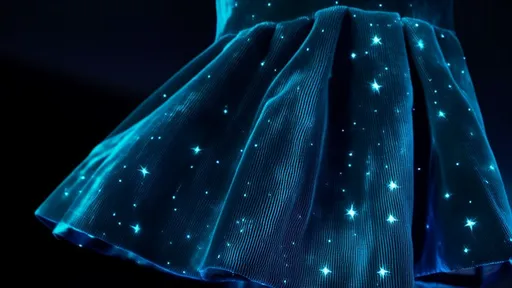
What’s fascinating is how technology enables this aesthetic rebellion. Digital-native designers use 3D rendering to create impossible silhouettes, while AR filters let users "try on" outrageous outfits before committing. The line between physical and digital fashion blurs, freeing creativity from material constraints. Online subcultures—from cottagecore to cybergoth—cross-pollinate at lightning speed, creating hybrid styles that defy categorization. Maximalism today isn’t just about wearing more; it’s about remixing references with algorithmic precision.
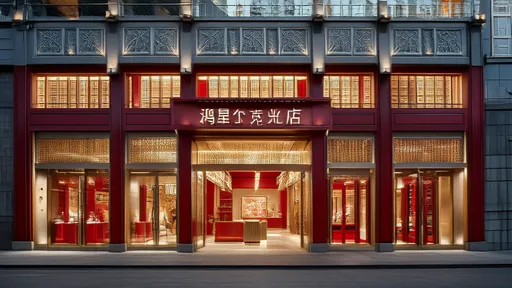
Retailers are scrambling to adapt. Fast-fashion giants like Zara and H&M, once bastions of minimalist basics, now dedicate entire sections to statement pieces. Independent boutiques report surging demand for bold accessories and conversation-starting outerwear. Even high-end resale platforms see increased interest in iconic maximalist designs from the ’80s and ’90s. The market shift reflects a broader cultural moment: after years of restraint, people are hungry for delight.
Critics argue that maximalism is unsustainable—literally. The environmental impact of trend-chasing consumption is undeniable. Yet proponents counter that the movement’s emphasis on vintage, upcycling, and small-batch designers offers a more ethical path forward. The key difference between old and new maximalism? Intentionality. Today’s excess is curated, not careless. It’s about owning fewer but wilder pieces, worn repeatedly with pride.
As with any pendulum swing, questions remain. Will this revival last, or is it a fleeting reaction to years of beige? Can maximalism evolve beyond aesthetics to address deeper systemic issues in fashion? One thing is clear: Gen Z’s embrace of chaos dressing marks a rejection of conformity in all its forms. In a world that often demands they shrink themselves, choosing to take up space—visually, audibly, unignorably—is the ultimate power move.
The quiet luxury crowd isn’t going anywhere, but their dominance no longer feels inevitable. After years of whispers, fashion is ready to roar again. And this time, it’s wearing seven necklaces at once.

By /Aug 13, 2025
By /Aug 13, 2025
By /Aug 13, 2025

By /Aug 13, 2025
By /Aug 13, 2025

By /Aug 13, 2025

By /Aug 13, 2025
By /Aug 13, 2025
By /Aug 13, 2025

By /Aug 13, 2025

By /Aug 13, 2025

By /Aug 13, 2025

By /Aug 13, 2025

By /Aug 13, 2025
By /Aug 13, 2025
By /Aug 13, 2025
By /Aug 13, 2025

By /Aug 13, 2025

By /Aug 13, 2025
By /Aug 13, 2025
